Category: general

  • Niềng răng 1 hàm được không? Khớp cắn, chỉ định, răng đối diện

    Niềng răng 1 hàm được không? Có thể trong một số trường hợp lệch nhẹ, khu trú ở hàm trên hoặc dưới, khi bác sĩ xác nhận vẫn kiểm soát được khớp cắn với hàm đối diện. Nếu sai lệch liên quan cả hai hàm, có thể cần điều trị toàn diện hơn. Không nên chọn chỉ để giảm chi phí; cần khám và phân tích hồ sơ để xác định chỉ định, thời gian và kế hoạch duy trì phù hợp.
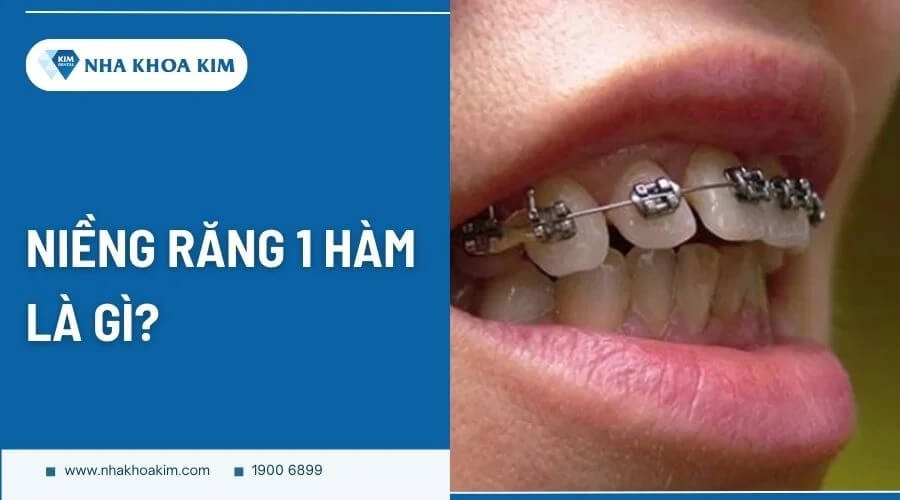
    Niềng răng một hàm là gì?

    Chỉnh nha giới hạn một cung răng

    Niềng một hàm là điều trị chủ yếu trên cung răng hàm trên hoặc hàm dưới. Mục tiêu có thể là sắp xếp một số răng lệch, xử lý khe thưa hoặc chuẩn bị vị trí răng cho điều trị phối hợp.

    Cần phân biệt số hàm được gắn khí cụ với phạm vi mục tiêu. “Chỉnh nha giới hạn” mô tả kế hoạch có mục tiêu hạn chế, không phải lúc nào cũng đồng nghĩa chỉ điều trị một hàm. Các phương pháp giới hạn thường chú trọng cải thiện nụ cười mà không xử lý đầy đủ mọi vấn đề khớp cắn.

    Khác với chỉnh nha toàn diện hai hàm

    Chỉnh nha toàn diện thường xem xét cách hai cung răng phối hợp khi cắn, cùng tương quan hàm và môi. Mục tiêu không chỉ là làm thẳng răng mà còn giúp chúng tiếp xúc phù hợp hơn.

    Mình thích giải thích rõ phạm vi ngay từ đầu: vấn đề nào sẽ được điều trị, vấn đề nào còn lại và những giới hạn người bệnh cần chấp nhận.

    Mục tiêu điều trị thẩm mỹ và chức năng

    Một kế hoạch có thể tập trung thẩm mỹ, nhưng không được bỏ qua chức năng. Hội Chỉnh nha Anh khuyến nghị người bệnh phải hiểu khớp cắn có thể bị ảnh hưởng thế nào nếu điều trị chỉ chú trọng nụ cười.

    Ví dụ, làm đều răng cửa hàm dưới chưa chắc phù hợp nếu việc đó khiến răng dưới chạm bất lợi vào răng trên. Kết quả nhìn đẹp phải được đặt trong tương quan ăn nhai thực tế.

    Có niềng răng 1 hàm được không?

    Có thể nếu khớp cắn đang ổn định

    Bác sĩ có thể cân nhắc khi vấn đề khu trú, mức dịch chuyển phù hợp và dự kiến không làm xấu tương quan cắn. Tuy nhiên, “khớp cắn ổn định” không chỉ là người bệnh chưa cảm thấy đau.

    Mình không khuyến khích tự xác nhận điều kiện từ ảnh. Đánh giá trực tiếp bởi bác sĩ có đào tạo chỉnh nha là điều cần thiết để chọn hướng điều trị phù hợp.

    Không phù hợp nếu sai khớp cắn liên quan cả hai hàm

    Cắn sâu, cắn ngược, cắn hở hoặc tương quan răng hàm bất lợi có thể đòi hỏi kế hoạch rộng hơn. Những tình trạng này ảnh hưởng cách cắn và nhai, không chỉ vị trí một chiếc răng.

    Không phải mọi biểu hiện đều bắt buộc dùng cùng một phương pháp, nhưng cần đánh giá toàn bộ trước khi giới hạn điều trị ở một hàm.

    Quyết định cần dựa trên chẩn đoán

    Không nên chọn một hàm chỉ vì muốn nhanh hơn hoặc nghĩ chi phí sẽ bằng một nửa. Phạm vi điều trị, độ phức tạp và nhu cầu theo dõi mới quyết định kế hoạch.

    Hội Chỉnh nha Anh nhấn mạnh không có hướng dẫn áp dụng cho tất cả người bệnh; nếu chưa rõ lý do chỉ định, nên hỏi thêm hoặc tìm ý kiến chuyên môn thứ hai.

    Những trường hợp có thể được cân nhắc niềng một hàm

    Chen chúc hoặc khe thưa nhẹ ở một cung răng

    Một số vấn đề nhẹ, khu trú có thể được xem xét điều trị giới hạn. Tuy nhiên, bác sĩ cần xác định lượng khoảng, hướng dịch chuyển và tác động lên răng đối diện.

    Mình không thích dùng chữ “nhẹ” chỉ từ số răng nhìn thấy lệch. Một răng sai vị trí vẫn có thể tạo vấn đề tiếp xúc đáng chú ý.

    Một vài răng xoay, lệch nhẹ nhưng không làm thay đổi khớp cắn

    Bác sĩ cần dự đoán vị trí sau điều trị, không chỉ đánh giá vị trí ban đầu. Nếu dựng hoặc xoay răng khiến tiếp xúc cắn thay đổi bất lợi, kế hoạch phải được xem xét lại.

    Chỉnh nha là dịch chuyển răng để sắp xếp và điều chỉnh khớp cắn; hai mục tiêu này có liên hệ với nhau.

    Chỉnh nha giới hạn vùng răng trước theo nhu cầu thẩm mỹ

    Người bệnh có thể mong muốn cải thiện một vùng nhỏ. Trước khi bắt đầu, cần hiểu điều trị giới hạn không tương đương chỉnh nha toàn diện và có thể để lại một số vấn đề chưa được xử lý.

    Mình khuyến khích ghi nhận rõ mong muốn, nhưng không dùng mong muốn đó thay cho đánh giá an toàn.

    Răng đối diện đã ổn định và có đủ khoảng điều chỉnh

    Răng đối diện cần được xem xét cả vị trí lẫn điểm tiếp xúc sau dịch chuyển. Có đủ khoảng nhìn thấy không đồng nghĩa chắc chắn đủ điều kiện điều trị một hàm.

    Các nhóm tình huống trên chỉ giúp chuẩn bị câu hỏi khi khám. Chúng không phải tiêu chuẩn tự chọn khí cụ tại nhà; bác sĩ vẫn cần đánh giá mô nâng đỡ và khả năng duy trì.

    Khi nào cần niềng cả hai hàm?

    Hô, móm hoặc cắn ngược

    Những biểu hiện này có thể liên quan vị trí răng, tương quan xương hoặc phối hợp cả hai. Một số người cần chỉnh nha toàn diện, còn sai lệch xương đáng kể có thể cần phối hợp phẫu thuật.

    Chỉ nhìn thấy hàm trên chìa chưa đủ để kết luận điều trị hàm trên là giải quyết toàn bộ vấn đề.

    Cắn sâu, cắn hở và răng không chạm đều

    Cắn sâu có thể gây tiếp xúc bất lợi và tổn thương răng hoặc lợi. Cắn hở có thể làm khó cắn thức ăn.

    Bác sĩ cần xem có thể cải thiện tương quan này bằng cách nào, thay vì mặc định chỉ làm đều phần răng dễ thấy.

    Lệch đường giữa hoặc sai tương quan răng hàm

    Đường giữa và tương quan răng phía sau cần được đánh giá cùng nhau. Dịch chuyển một cung có thể ảnh hưởng sự phối hợp hai hàm.

    Mình ưu tiên xem cả hệ thống khớp cắn hơn một dấu hiệu riêng lẻ.

    Răng hai hàm cùng chen chúc, xoay lệch

    Khi cả hai cung có vấn đề, điều trị một hàm có thể không đáp ứng mục tiêu tổng thể. Ngoài sắp đều, cần cân nhắc khoảng, vị trí răng và nền xương.

    Không nên dùng một kế hoạch ngắn để hứa kết quả tương đương mọi ca toàn diện.

    Rủi ro khi niềng một hàm không đúng chỉ định

    Cắn chạm sớm và mất cân bằng khớp cắn

    Nếu răng mới được sắp xếp chạm trước hoặc không phối hợp với cung đối diện, người bệnh có thể cảm thấy cắn khác trước. Hội Chỉnh nha Anh cảnh báo khớp cắn hiện có có thể xấu đi khi điều trị chỉ tập trung vào răng trước.

    Lệch đường giữa, mòn răng hoặc khó chịu khi nhai

    Tiếp xúc bất lợi cần được theo dõi. Tài liệu của Hội Chỉnh nha Anh mô tả một số sai khớp cắn có thể gây mòn hoặc tổn thương rìa răng..

    Tuy nhiên, không nên khẳng định niềng một hàm chắc chắn gây đau khớp hàm. Triệu chứng vùng hàm có nhiều nguyên nhân và cần đánh giá riêng.

    Kết quả thẩm mỹ chưa tối ưu và nguy cơ răng chạy lại

    Điều trị giới hạn có thể chỉ tạo những thay đổi hạn chế. Nguy cơ tái phát cũng tồn tại, đặc biệt nếu duy trì không phù hợp..

    Răng thẳng ở thời điểm tháo khí cụ không bảo đảm kết quả sẽ tự ổn định lâu dài.

    Phải điều trị bổ sung hàm đối diện

    Nếu mục tiêu ban đầu không đạt hoặc xuất hiện vấn đề cắn, có thể cần điều chỉnh phạm vi. Đây là lý do phải trao đổi giới hạn trước khi bắt đầu.

    Điều cần xác nhậnCâu hỏi nên hỏi bác sĩ
    Phạm viVì sao chỉ điều trị một hàm?
    Khớp cắnRăng đối diện sẽ tiếp xúc thế nào sau điều trị?
    Giới hạnNhững vấn đề nào không được xử lý?
    Theo dõiKhi nào cần thay đổi kế hoạch?
    Duy trìDùng loại hàm nào, theo lịch nào?

    Bác sĩ đánh giá chỉ định niềng một hàm như thế nào?

    Khám khớp cắn, đường giữa và độ nghiêng răng

    Bác sĩ kiểm tra hai cung răng, vùng tiếp xúc, độ chồng phủ và tình trạng răng – lợi. Overbite liên quan độ chồng phủ dọc; răng quặp mô tả răng nghiêng vào trong. Những biểu hiện này cần được đặt trong khớp cắn tổng thể, không chỉ dùng tên gọi để chọn một hàm.

    Nếu thuận tiện, bạn có thể tham khảo nha khoa Quận 12 TP.HCM để liên hệ đặt lịch đánh giá.

    Chụp phim panorama, Cephalometric và scan răng

    Bác sĩ lựa chọn phim và phương tiện ghi nhận theo nhu cầu chẩn đoán. Panorama, phim sọ nghiêng hoặc scan không phải bộ bắt buộc giống nhau cho tất cả.

    Dữ liệu giúp phân tích răng và tương quan hàm, nhưng vẫn cần đi cùng khám trực tiếp. Hội Chỉnh nha Anh nhấn mạnh đánh giá cá nhân là nền tảng lựa chọn điều trị.

    Lập kế hoạch dịch chuyển và phương án hàm duy trì

    Kế hoạch phải xác định mục tiêu, giới hạn và cách giữ kết quả. Việc có cần nhổ răng cũng dựa trên lượng khoảng và tương quan cắn, không chỉ số hàm điều trị.

    Mình khuyến khích hỏi về duy trì ngay từ đầu, thay vì chờ tháo niềng.

    Câu hỏi thường gặp về niềng răng một hàm

    Niềng một hàm có nhanh hơn niềng hai hàm không?

    Có thể ngắn hơn khi mục tiêu thực sự giới hạn, nhưng không thể bảo đảm. Hội Chỉnh nha Anh lưu ý điều trị ngắn thường tạo thay đổi hạn chế và không luôn là giải pháp dài hạn phù hợp.

    Niềng hàm trên hay hàm dưới dễ hơn?

    Không có câu trả lời chung. Độ khó phụ thuộc hướng dịch chuyển, khoảng, khớp cắn và mô nâng đỡ, không chỉ tên hàm.

    Niềng một hàm có bị lệch khớp cắn không?

    Có nguy cơ nếu chỉ định hoặc kiểm soát không phù hợp, nhưng không phải mọi ca đều xảy ra. Đây là lý do cần đánh giá cả hai cung.

    Sau niềng một hàm có cần đeo hàm duy trì không?

    Có, theo kế hoạch riêng. Hội Chỉnh nha Anh khuyến nghị duy trì lâu dài vì nguy cơ tái phát còn tồn tại sau điều trị.

    Tư vấn chỉ định niềng răng tại Kim Dental

    Mình khuyến khích khám trước khi quyết định chỉ niềng một hàm. Liên hệ hotline Kim Dental 1900 6899 để đặt lịch và trao đổi mục tiêu, khớp cắn, giới hạn điều trị. Mang theo phim cũ và thông tin phục hình nếu có.

    Trường hợp cần phối hợp chỉnh nha và phục hình

    Nếu có răng mất, kế hoạch khoảng trống và phục hình cần được trao đổi cùng bác sĩ. Bạn có thể tham khảo thông tin về trụ Implant xuất xứ Hàn Quốc để chuẩn bị câu hỏi cho buổi tư vấn.

    Đây là chủ đề bổ sung cho người cần phục hình, không phải căn cứ quyết định niềng một hay hai hàm.

    Thông tin chuyên môn và liên hệ Kim Dental

    Bản thảo được chuẩn bị để Thạc sĩ, Bác sĩ Nguyễn Hữu Nam tham vấn chuyên môn trước khi xuất bản. Bài giới thiệu đội ngũ bác sĩ Kim Dental trên Báo Tây Ninh đề cập vai trò định hướng chuyên môn của bác sĩ. Thông tin này không thay thế đánh giá và chỉ định của người trực tiếp điều trị.

    Thông tin liên hệ theo nội dung đã cung cấp:

    • Địa chỉ: 150–152 Hai Bà Trưng, P. Đa Kao, Q. 1, TP.HCM.
    • Hotline: 1900 6899.
    • Email: cskh@kimdental.vn.

    Nên xác nhận địa chỉ hiện hành, chi nhánh và giờ tiếp nhận khi đặt lịch.

    Nội dung mang tính tham khảo, không thay thế chẩn đoán hoặc chỉ định trực tiếp từ bác sĩ chỉnh nha. Không tự giới hạn điều trị ở một hàm chỉ để giảm thời gian hoặc chi phí.

    Kết luận

    Niềng một hàm có thể phù hợp trong ca chọn lọc, nhưng phải kiểm soát cả tương quan hai hàm. Mình khuyến khích khám và hỏi rõ giới hạn trước điều trị. Hãy bình luận, chia sẻ hoặc đọc thêm trên website Kim Dental để hiểu các lựa chọn chỉnh nha.

  • The Role of Regular Exercise in Maintaining Lifelong Health and Wellness

    Why Exercise Is Essential for a Healthy Lifestyle

    A healthy life depends on the daily choices people make, and regular exercise is one of the most powerful habits for improving overall health. Physical activity helps strengthen the body, improve mental well-being, and support a balanced lifestyle. Whether someone chooses walking, stretching, sports, or structured workouts, consistent exercise provides valuable benefits for long-term wellness.

    Modern lifestyles often involve long hours of sitting, limited movement, and busy schedules that make physical activity difficult. However, even small amounts of exercise can create positive changes. Building a routine that includes regular movement helps the body stay active and supports better health at every stage of life.

    Exercise is not only about appearance or physical strength. It is about creating a stronger foundation for energy, confidence, and overall quality of life.

    How Exercise Strengthens Physical Health

    Regular exercise plays an important role in improving physical health. Movement helps strengthen muscles, support bones, and improve flexibility. A stronger body makes everyday activities easier and helps individuals remain independent as they grow older.

    Cardiovascular activities such as walking, cycling, and swimming support heart health by improving circulation and endurance. Strength training helps maintain muscle function, while flexibility exercises support mobility and reduce stiffness.

    Consistent exercise also contributes to maintaining a healthy body weight. When combined with balanced nutrition, physical activity helps the body manage energy effectively and supports better health outcomes.

    Exercise and Its Positive Impact on Mental Wellness

    Health includes more than physical condition. Mental wellness is another important area where exercise provides significant benefits. Physical activity encourages the release of natural chemicals in the brain that can improve mood and reduce daily stress.

    Many people experience greater relaxation and emotional balance when they include exercise in their routine. A simple walk outdoors or a short workout session can provide a refreshing break from stressful situations and improve mental clarity.

    Exercise also supports better focus and concentration. By improving blood flow and encouraging brain activity, regular movement helps individuals stay productive in their personal and professional lives.

    Choosing the Right Exercise Routine

    The best exercise routine is one that matches personal goals, interests, and lifestyle. There is no single approach that works for everyone, which is why choosing enjoyable activities increases the chances of maintaining consistency.

    Some individuals prefer outdoor activities such as walking, hiking, or cycling, while others enjoy gym workouts, yoga, or group fitness classes. The most important factor is regular participation rather than choosing the most intense option.

    Starting with realistic goals makes exercise easier to maintain. Small improvements over time can create meaningful changes in health and fitness. A consistent routine built around personal preferences is more effective than temporary efforts.

    The Connection Between Exercise and Energy Levels

    Many people believe that exercise uses energy, but regular physical activity can actually increase daily energy levels. Movement improves circulation and helps the body become more efficient at using oxygen and nutrients.

    Individuals who exercise regularly often feel more active and prepared to handle daily responsibilities. Physical activity can reduce feelings of tiredness and encourage a more energetic lifestyle.

    Improved energy from exercise can also motivate people to make other healthy choices. When individuals feel stronger and more active, they are often encouraged to improve their nutrition, sleep habits, and overall health routines.

    Exercise as a Tool for Disease Prevention

    One of the greatest advantages of regular exercise is its ability to support long-term health protection. Physical activity helps maintain important body systems and may reduce the risk of various health challenges associated with inactive lifestyles.

    Exercise supports heart function, helps maintain healthy blood pressure, and contributes to better metabolic health. It also strengthens the body’s ability to manage physical demands and recover from daily stress.

    A consistent exercise routine is an investment in future health. By staying active today, individuals create stronger habits that support wellness throughout different stages of life.

    Overcoming Common Barriers to Staying Active

    Many people understand the importance of exercise but struggle to make it part of their daily routine. Common barriers include lack of time, low motivation, or uncertainty about where to begin.

    Creating a realistic plan can help overcome these challenges. Short periods of movement throughout the day can still provide health benefits. Taking stairs, walking during breaks, or performing simple exercises at home are practical ways to increase activity.

    Building consistency requires patience. Exercise should become a normal part of life rather than a temporary challenge. Developing a positive relationship with physical activity makes long-term success more achievable.

    Creating a Healthier Future Through Movement

    Exercise is one of the simplest and most effective ways to support lifelong health. It strengthens the body, improves mental wellness, increases energy, and helps create a more balanced lifestyle.

    A healthy future is built through daily actions, and regular exercise is a valuable part of that journey. People do not need perfect routines or extreme workouts to experience benefits. What matters most is making movement a consistent part of everyday life.

    By choosing activities that are enjoyable and maintaining regular exercise habits, individuals can improve their health, enhance their lifestyle, and create a stronger foundation for lasting wellness. Physical activity is not just a habit; it is a commitment to a healthier and more active future.

  • Self Improvement Through Lifelong Learning: The Key to Unlocking Your Full Potential

    Why Self Improvement Depends on Continuous Learning

    Self improvement is a lifelong journey rather than a destination. While many people believe education ends after school or university, the most successful individuals understand that learning never truly stops. Every new skill, lesson, and experience contributes to personal growth and opens doors to new opportunities. Lifelong learning keeps the mind active, improves confidence, and prepares you to adapt in a rapidly changing world.

    Whether you want to grow professionally, improve your relationships, or become more confident, continuous learning provides the foundation for lasting success. Self improvement becomes much easier when you develop the habit of learning something valuable every day.

    Understanding the Importance of Lifelong Learning

    The modern world changes quickly. New technologies, industries, and ideas emerge every year, making adaptability one of the most valuable personal qualities. Self improvement through lifelong learning allows you to remain flexible and prepared for these changes.

    Learning is not limited to formal education. Reading books, listening to educational podcasts, attending workshops, watching instructional videos, and learning from experienced mentors all contribute to personal development. Every new piece of knowledge strengthens your ability to solve problems and make better decisions.

    People who embrace lifelong learning often discover opportunities that others overlook because they continue expanding their skills and perspectives.

    Building Better Habits Through Education

    Every positive habit begins with knowledge. Before improving health, finances, communication, or leadership skills, you first need to understand what effective habits look like. Self improvement becomes more practical when learning is combined with daily action.

    Reading about productivity may inspire better time management. Studying communication can improve relationships. Learning about emotional intelligence can help you manage stress more effectively. Knowledge transforms into growth only when it is consistently applied.

    Small improvements made every day gradually become lifelong habits that support personal and professional success.

    Expanding Confidence Through New Skills

    Learning new skills naturally increases confidence. Every completed course, finished book, or mastered ability proves that you are capable of growth. Self improvement becomes exciting because every achievement creates motivation for the next challenge.

    Confidence does not come from knowing everything. Instead, it comes from believing you can continue learning regardless of the obstacles you encounter. This mindset reduces fear of failure because mistakes become valuable learning experiences instead of permanent setbacks.

    Whether learning a language, improving writing skills, or developing leadership abilities, every accomplishment strengthens self-belief.

    Improving Problem-Solving Abilities

    One major benefit of lifelong learning is stronger problem-solving skills. Every challenge requires knowledge, creativity, and critical thinking. Self improvement encourages you to approach problems with curiosity rather than frustration.

    Learning from different subjects exposes you to multiple perspectives. Reading about psychology may improve communication, while studying business may strengthen decision-making. Exploring history can teach valuable lessons about leadership and resilience.

    As your knowledge grows, you become more capable of finding practical solutions in both personal and professional situations.

    Creating Career Growth Through Self Improvement

    Professional success often depends on continuous learning. Employers value individuals who actively improve their knowledge and remain adaptable. Self improvement allows professionals to stay competitive as industries evolve.

    Developing technical skills, improving communication, strengthening leadership abilities, and understanding new technologies all contribute to career advancement. Lifelong learners often become trusted problem-solvers because they consistently expand their expertise.

    Even entrepreneurs benefit from continuous education by learning about marketing, customer service, financial planning, and innovation. Every new skill increases the potential for long-term business success.

    Strengthening Emotional Intelligence

    Self improvement extends beyond professional achievement. Emotional intelligence plays an equally important role in creating a fulfilling life. Lifelong learning helps individuals understand emotions, improve empathy, and communicate more effectively.

    Books on personal development, psychology, and leadership often provide valuable insights into managing stress, resolving conflicts, and building stronger relationships. These lessons improve interactions with family, friends, colleagues, and clients.

    Emotional intelligence also supports better decision-making by helping you remain calm during difficult situations. Instead of reacting emotionally, you learn to respond thoughtfully and constructively.

    Staying Curious Throughout Life

    Curiosity fuels continuous self improvement. People who remain curious actively seek answers, ask thoughtful questions, and welcome new experiences. This attitude keeps personal growth exciting rather than feeling like a difficult obligation.

    Curious individuals are more likely to explore unfamiliar topics, develop creative ideas, and discover innovative solutions. Their willingness to learn allows them to adapt quickly to changing circumstances while maintaining optimism about future possibilities.

    Curiosity transforms everyday experiences into valuable learning opportunities. Even ordinary conversations can provide lessons that contribute to personal development.

    Overcoming Learning Obstacles

    Many people believe they lack enough time for learning. However, self improvement does not require spending several hours each day studying. Reading for twenty minutes, listening to educational content during a commute, or practicing a new skill regularly can produce remarkable long-term results.

    Another common obstacle is fear of failure. Some hesitate to learn because they worry about making mistakes. In reality, mistakes are an essential part of growth. Every error provides valuable feedback that improves future performance.

    Consistency matters far more than speed. Small daily learning sessions often produce greater results than occasional intensive efforts.

    Long-Term Benefits of Lifelong Learning

    The rewards of lifelong learning continue throughout every stage of life. Self improvement through education strengthens confidence, adaptability, creativity, communication, and resilience. These qualities improve both personal happiness and professional success.

    Individuals who commit to continuous learning often enjoy greater career opportunities, stronger relationships, improved mental health, and increased satisfaction with their achievements. More importantly, they maintain a sense of purpose by constantly discovering new ways to grow.

    Lifelong learning ensures that personal development never reaches a final destination. Every lesson creates the foundation for future success.

    Conclusion

    Self improvement through lifelong learning is one of the most valuable investments anyone can make. By continuously expanding your knowledge, developing new skills, and embracing curiosity, you prepare yourself for lasting success in every area of life. Learning strengthens confidence, improves decision-making, enhances relationships, and creates opportunities that would otherwise remain hidden.

    The journey of self improvement is built on daily progress rather than instant perfection. Every book you read, every skill you practice, and every lesson you learn moves you closer to becoming the best version of yourself. Continuous learning is not simply an educational habit—it is a lifelong commitment to growth, resilience, and unlimited potential.